

We want to have as much personalization as possible, because we want to target you. But the creative itself needs to be authentic to the sport and to the players and to how they want to say it.
 Sherry PitkofskySVP, Marketing @ The E.W. Scripps Company
The hardest audience to reach is the one that doesn't exist yet. Not fully, anyway.
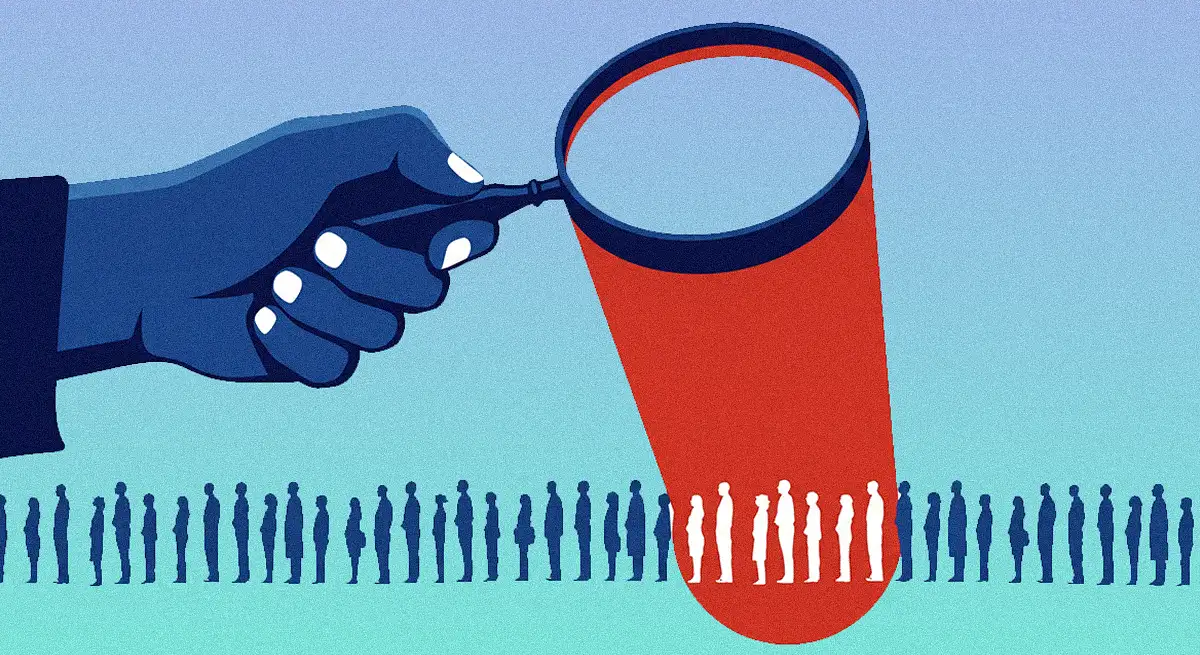
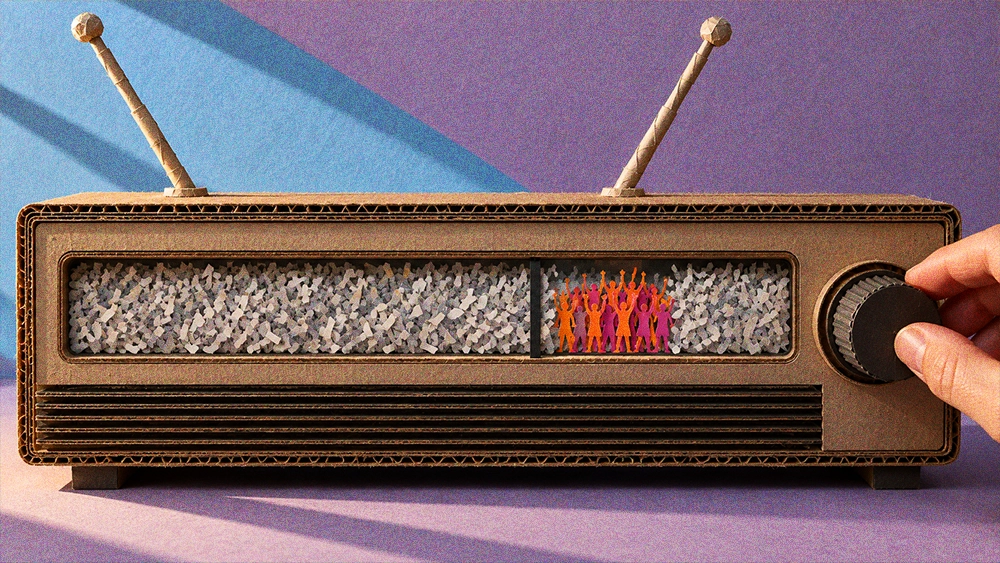
Standard demographic planning assumes your buyers are already out there in a shape you can target and bid against. Emerging audiences don't play along. They surface as scattered behavior first—a merch purchase here, a repost there, a crowd at an event nobody on the media plan was watching—long before they harden into anything you'd call a segment. Read that behavior early and the demand's still cheap to act on, before everyone else is bidding on the same thing.
But finding the audience is only half the job. A signal tells you who showed up and when. It says nothing about why they care, and getting the why wrong means reaching the right people with the wrong story. No category makes that plainer than women's sports, which went from near-impossible to find to prime-time appointment viewing in about the time it takes most companies to rebrand.
Few marketers have had a closer view of that shift than Sherry Pitkofsky, Senior Vice President of Marketing at The E.W. Scripps Company. Pitkofsky runs enterprise brand strategy and audience growth across Scripps' national networks, its FAST and streaming platforms, more than 60 local stations, and the fast-growing women's sports portfolio anchoring the ION network. She joined Scripps in 2017 through its acquisition of Katz Networks and stepped into the SVP role at the start of 2025, after a run through DEFY Media, a ratings turnaround at Spanish-language broadcaster LBI Media, partnership marketing at WE tv, and ad sales marketing at NBCUniversal. She's a regular on the industry stage, from CES to Cannes Lions, and traces her feel for big, unruly audiences back to an early job running Homecoming at a Division I university with 40,000 students and a 90,000-seat stadium.
That feel showed up early in her read on women's sports. "We really dove into the women's sports space, about four or five years ago, before it was sexy to be in it," Pitkofsky says. The bet has compounded since. ION now broadcasts more WNBA and NWSL games than any other national broadcaster, and Scripps has kept extending the slate, bringing the Professional Women's Hockey League to its first season-long national US deal for 2026-27 and lining up newer properties like the Women's TMRW Golf League before they've aired a game. Scripps says combined streaming viewership for the NWSL and WNBA on ION was up 25% in 2025.
Anyone can point at the results now. The interesting question is how she saw the audience while it was still mostly invisible.
The audience you can't see yet
Each new property presented a similar challenge: understanding where the existing fans were, how to reach them, and how to build awareness and interest among audiences who hadn't yet discovered the sport. "We have all of these opportunities," recalls Pitkofsky, "and leading marketing, I was asking myself, 'How am I going to find this audience?'"
Her answer leans on behavior over demographics, and it starts with how she reads her own channels. Impressions, the currency much of the industry still trades on, remain an important measure of reach, but Pitkofsky says she looks beyond them to understand whether content is truly engaging and resonating with audiences. "Impressions, they're great, but that's not how we measure our success," she says. "Our success is measured via engagement. The likes, yes, but also the shares and the people reposting. Because that means that the story resonated so much with them that they wanted to share it with others."
A share carries intent in a way a view never does. Someone who reposts is telling you the story landed. Pitkofsky treats that gap as a read on signal quality, a way to sort content that's actually pulling an audience toward fandom from content that's just passing in front of their eyes.
When you don't own the data, you read the behavior
The deeper problem is that a broadcaster sits further from its audience than a brand with a direct relationship does. "We're doing a lot of testing, so it's harder for us in the media space because we have less first-party data," Pitkofsky says.
If you can't lean on data you own, you go find behavior that already proves intent. For the Pro Cheer League, Scripps leveraged third-party behavioral and interest- based audience data, including signals tied to merchandise purchases and event attendance, to help identify and reach potential fans. "People who buy merch or go to events or conferences and all that sort of activity, they've already shown that they're interested," Pitkofsky says. "We were able to overlay that data across our social platforms to be able to deliver an experience that helped reach fans who are already interested in that." A fan buying merchandise at a live event isn't a prospect the network had to guess at. The purchase is the proof.
Third-party behavioral data reaches a broadcaster as raw signals, and someone on the team still has to decide which of them point to a fan base. Wael Sabra, Founder and CEO of SiiRA, a global talent platform that recruits and manages remote professionals for US companies, previously held leadership roles at Altice USA and A4 Media. "At a lot of media companies, the data team gets built to keep the reporting running," says Sabra. "The hire who changes the outcome is the one who's curious about the audience itself, who sees a jump in event check-ins and wants to know who those people are and what brought them there. I'll take that curiosity over a longer resume every time, because the tools can be learned in a few months."
The why, not just the who
A signal tells you who showed up and when. It stays silent on why they came, and the why is what you actually build the creative around. Match the household and miss the motive, and you reach exactly the right people with a story that slides right past them.
Take Pitkofsky's own household. Her daughter's deep into basketball, so the data correctly reads the family as a women's-sports audience. What it can't see is the reason. "My daughter's a baller. I mean, true, true baller," she says. The pull comes from something the data has no field for: her daughter can now watch women athletes she might grow up to become, something Pitkofsky says didn't exist for her at that age. That reason is the entire creative brief. Serve the household another highlight reel and you've matched the tag. Serve it a real woman whose story that girl can see herself inside and you've matched why she's watching at all.
Which is why Scripps keeps targeting and creative on opposite sides of a line. "I think we want to have as much personalization as possible, because we want to target you," Pitkofsky says. "But the creative itself needs to be authentic to the sport and to the players and to how they want to say it." Personalization decides who gets reached. The creative has to carry the why, and the why here runs on recognition, a fan seeing herself in a real athlete's real life. The moment that athlete reads as packaged, the recognition breaks and the one thing that pulled the audience in is gone. So Scripps tells the athletes as whole people, "mothers, daughters, entrepreneurs... amazing women with amazing stories," Pitkofsky says, and keeps women in the room where the work gets made. "We can't get this wrong. We need to feel authentic. That's who we want to be, and so we have to show up that way."
The accurate signal only pays off if the creative honors the why it couldn't see. The read finds the household. Authenticity is what turns it into an audience that stays.
Authenticity does the rest
Pitkofsky's run at ION is a working example of a method more marketers are backing into. Read emergence early, through whatever behavior you can get your hands on, including behavior you have to go outside your own systems to buy. Then use the head start to get the relationship right, because the data that found the audience can't tell you what will keep it.
A sharp read on the signals is the edge, the part that gets you to the right audience before anyone else is looking. What you do with that lead is the rest of the work. "It's just being true to who the brand is," Pitkofsky says. Catch the emergence early, then earn the audience you found.