
All articles
Real People, Real Moments, Real Proof: Overcoming Consumer 'Perfection Fatigue'
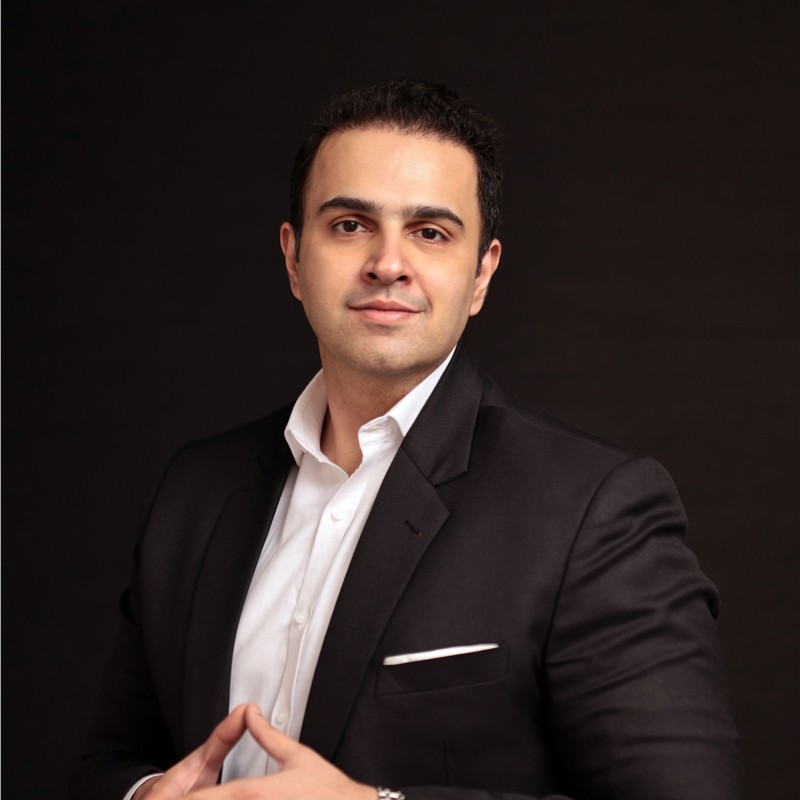
Syed Haye, a Brand Consultant with past leadership roles across L’Oréal, Unilever, and Nestlé, says brands must demonstrate their humanity through raw, verifiable moments because AI-generated perfection has made consumer distrust the default.
Make The CMO Wire one of your go-to sources on Google

The real currency will shift 100% to trust. People are going to value trust more than fancy campaigns.
AI-generated content has made flawless production commonplace, sparking a collapse in consumer trust. With channels flooded by technically perfect but emotionally hollow material, audiences experience perfection fatigue and instinctively skip anything that feels synthetic. What was once a brand value is now a performance metric, forcing marketers to now prove their humanity through deliberate imperfection to survive the authenticity paradox.
Syed Haye is a Brand Consultant who has scaled consumer brands across DTC and retail, both globally and in the U.S. He has driven zero-to-launch through sustained double-digit growth across Sephora, Amazon, and direct-to-consumer channels, with experience in consumer insights and high-performance brand building. in his eyes, trust is what makes or breaks modern marketing.
“The real currency will shift 100% to trust. People are going to value trust more than fancy campaigns,” Haye says. Consumers are now engaging with branded content with a baseline of skepticism, creating a new landscape which favors honesty and relatability over polish or spectacle. When everything looks perfect, perfection loses meaning.
Perfection fatigue: "With AI, trust in brands is eroding, and people are experiencing ‘perfection fatigue.’ As a consumer, I relate more to imperfection than perfection. AI aims for flawless content, which makes even big-budget campaigns feel less authentic. Even if it’s not AI, if you label it as such, people skip it. The better AI gets, the less authentic brands will seem," Haye explains. Audiences now reward evidence and transparency, favoring tangible demonstration over crafted impressions.
Talk it like you walk it: "First, aspiration creates desire. Now proof creates trust, and that trust creates conversion. Authenticity is no longer just a brand value; it’s a performance. It’s a brand performer. If you’re not living it, people will start disassociating from the brand," he says. Impact comes from showing how a brand operates in real life, highlighting the people and processes behind every effort.
Actions in the flash: "The luxury of marketing isn’t just production value. It’s believability. Your BTS will matter more than your ads now. Run a campaign on your BTS, then show them the ads, so they know people made it," Haye emphasizes. Influence lies with the voices running the organization. "Founders will become more important than ever, because they are the most authentic voice for any brand. Even independent smaller brands will take the lead from generic bigger brands which have no face." As leadership becomes the brand’s true voice, audiences are demanding visible proof of sincerity and meaningful action.
"Consumers no longer want perfection. They want evidence of what you’re doing is authentic and real, and is purpose-driven rather than something that is just an afternoon’s AI creation," Haye adds. The evolving mindset is changing the competitive landscape, giving emerging players an advantage over legacy brands.
Unplanned advantage: Haye notes that smaller, transparent brands are starting to outperform large incumbents, "Nescafé is losing shares to smaller regional players with Instagrams showing grainy, real-life videos." Unplanned, human moments also resonate. "The McDonald's CEO eating a burger was not a planned campaign, but it ended up becoming one. The biggest brand moments you remember aren’t really owned by the brand and they happen by luck." As these dynamics play out, credibility shifts toward environments where interactions can be directly experienced.
Meet, mingle, matter: "The best thing in the next five years is physical communities coming together and talking. That is what events will truly drive brand authenticity. Events, human encounters, and retail spaces will play a major role because of AI," says Haye. On online communities, he adds, "It is difficult to build bots on Reddit. The best communities are where humans exist and interact over time." When digital content cannot be trusted, physical presence becomes a key marker of credibility.
Unfiltered reality: Human-driven experiences give brands an advantage. "If you have a product and a brand, like Dove by Unilever, built on beauty and authenticity for thirty years, AI is making that disappear. You show people like you and me, not a supermodel. That’s how you demonstrate it. Even in AI-driven categories, trust drives engagement," Haye says. Real-world actions shape perception. "Claude went viral after taking a real-world stance, and 1,000,000 users switched from GPT because of one statement." Brands that make dependability a daily practice are the ones that will endure.
AI will only get better, content will only become more indistinguishable, and consumer skepticism will only deepen. The brands that survive will treat authenticity as infrastructure, not a campaign. "You have to live a brand, build a small audience, and engage with them consistently. People no longer buy based on big campaigns, they choose the top three brands they feel are authentic," Haye concludes. In a world where flawless content is worthless, making that list is the top strategy.