
All articles
TikTok And Cameo Are Closing The Gap Between Creator Attention And Monetization
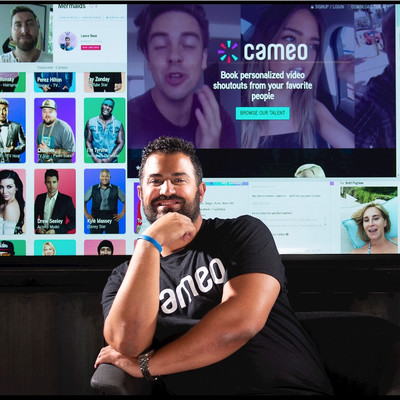
Steven Galanis, Co-Founder and CEO of Cameo, is focused on reducing friction in creator monetization.
Make The CMO Wire one of your go-to sources on Google

As AI floods the ecosystem with infinite content, authenticity becomes the scarcest and most valuable asset. The platforms and brands that can prove what’s real will win.
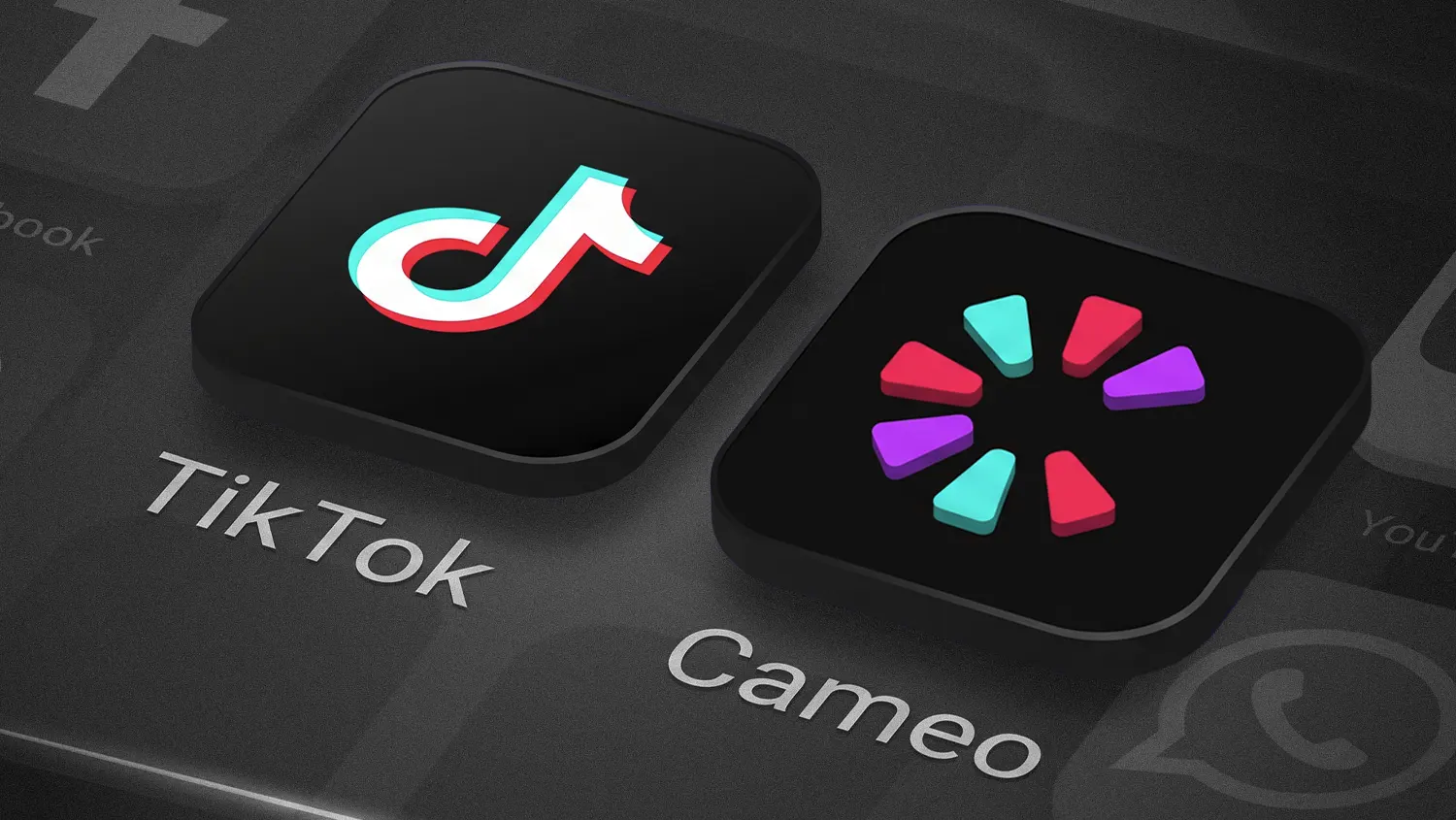
In the creator economy, monetization has never been just about demand. It’s very much shaped by how platforms are built. Social networks are built to keep users inside the feed, an architecture that creates a mechanical problem for creators. Getting views is easy, but turning that attention into revenue is hard when algorithms penalize outbound links. Instead of fighting that UX hurdle, a new integration on TikTok is testing a native fix. By allowing creators who meet a 50,000-follower threshold to add booking links directly onto their videos, the feature removes the need for fans to navigate away to a link-in-bio, easing heavy friction in app-based commerce.
Steven Galanis, Co-Founder and CEO of Cameo, has spent years building for creators. He scaled the celebrity video marketplace into a unicorn, raising more than $200 million along the way. Long before that growth, he was watching friends build massive audiences on the Vine platform, with few clear paths to turn that attention into income. From that vantage point, Cameo’s integration with TikTok feels like a natural next step, bringing monetization closer to where audiences already spend their time.
"As AI floods the ecosystem with infinite content, authenticity becomes the scarcest and most valuable asset. The platforms and brands that can prove what’s real will win," says Galanis. This shift has influenced how Cameo approaches its own creator ecosystem. Between 2020 and 2023, the company turned away more than 100,000 applicants through strict entry requirements. As the creator landscape evolved, that approach began to limit access to rising talent, prompting a move to open the platform more broadly. The result was a different mix of creators, including a growing cohort emerging directly from today's largest platforms, like TikTok.
Fame without a footprint: The integration itself started with a simple gap in the user experience. A TikTok product lead purchased a Cameo, noticed there was no way to share it directly to the platform, and reached out. That exchange evolved into a native integration that makes it easier for creators to join Cameo and capture engagement without sending fans off-platform. More broadly, it reflects how quickly attention can move across platforms, even when the creator isn’t actively participating in that distribution. "Last month, John Kiriakou, the CIA whistleblower, had done all these interviews and they got chopped up on TikTok," Galanis notes. "He was number one in the world last month on Cameo and doesn't even have a TikTok account, but his videos blew up from TikTok."
Middle class math: For Galanis, the strategy comes down to cold, hard math. Ad inventory on major platforms is limited, while the number of creators keeps growing. Relying on ad-share alone is becoming mathematically impossible for most. In his view, direct-to-fan monetization offers a reliable way to relieve that pressure and support the creator middle class. "The only way the math works in a world where you have an exponential amount of creators getting minted every day is if direct-to-fan monetization is the primary way those people get compensated. The ad revenue can only be cut so many ways."
Beauty and bottom lines: For brands, the value of native integrations goes beyond smoother transactions. It also opens up new creator pipelines. As Cameo plugs deeper into TikTok, it’s becoming easier to discover and activate talent that fits how campaigns actually run today. Formats like Sponsored Talent help brands accelerate distribution inside the feed, aligning with how categories like retail and beauty already operate through creator-led content. "When the partnership came out, we started to see a lot more Get Ready With Me-style creators," says Galanis. "There are all these verticals where we maybe didn't have the right talent for Cameo for Business. Suddenly, this is going to expose the right type of talent for brand campaigns."
Over the next 12 to 24 months, verified human content could start to command a premium. As synthetic media lowers the barrier to creation, platforms are navigating a new tension: AI can both compete with creators and extend their reach. Cameo is already seeing both sides. One of its top new talents last year was “Marcus the Worm,” a fully AI-generated character. At the same time, Galanis sees AI unlocking new ways for real creators to scale their connection with fans, particularly across languages. "I remember when Snoop Dogg joined, he said his second biggest fan base was in Brazil. He was excited about Cameo because he could go to Brazil without physically going there," he recalls. "He doesn't speak Portuguese, as far as I know, but these tools could help him better serve that fan base."
Deepfakes and deep pockets: As AI tools become more accessible, the risks for creators are becoming more immediate and harder to contain. Galanis points to a recent case involving one of Cameo’s top performers, who discovered a deepfake version of himself being used as the face of a fraudulent company. The fallout was significant, leading to lawsuits and millions of dollars in legal costs to unwind an endorsement he never made. That kind of exposure is pushing creators to look for stronger safeguards. "Talent needs better tools to understand what's out there with their name, image, and likeness, so if something is fake, they can call it back."
Persona as property: The financial fallout from cases like this is shifting how creators think about ownership. Galanis sees momentum building around the idea of "talent as IP," where identifiers are treated as assets that can be protected and monetized. Cameo is already applying that framework through features like watermarks and certificates of authenticity, aimed at reinforcing who owns what in an increasingly blurred environment. "If name, image, and likeness are the new digital building blocks, think about how many celebrity AI tools you've seen where you could get Drake or Trump to say something and they have nothing to do with it," he says. "All of that will get knocked down at some point."
As social integrations bring content and commerce closer together, the role of platforms is expanding. The focus is shifting toward long-term utility, particularly for creators navigating an increasingly complex ecosystem. Cameo’s approach centers on becoming part of that foundation, helping creators monetize fandom, safeguard their identity, and maintain authenticity as their audiences and opportunities grow. "We're pumped about the increased ability talent will have to monetize seamlessly," Galanis concludes. "We're excited about getting Cameo in front of emerging creators, and hopefully being a really critical part of their monetization stack as they mature."