

All articles
Pawn Shops Are Booming: A Look Inside the Tough External Consumer Pressure Signals CMOs Can't Ignore
The headlines announce 4.4% growth, but retention-first AI is redefining CMO budget allocation for the rest of 2026.
Make The CMO Wire one of your go-to sources on Google

If you only read the headline numbers, 2026 looks fine. The NRF projects 4.4% retail sales growth. Target is investing $2 billion to fuel expansion. Ulta Beauty posted double-digit e-commerce growth. But if you look at the signals beneath the surface, a more complex picture emerges, and it has direct implications for how CMOs should allocate their marketing budgets for the rest of the year.
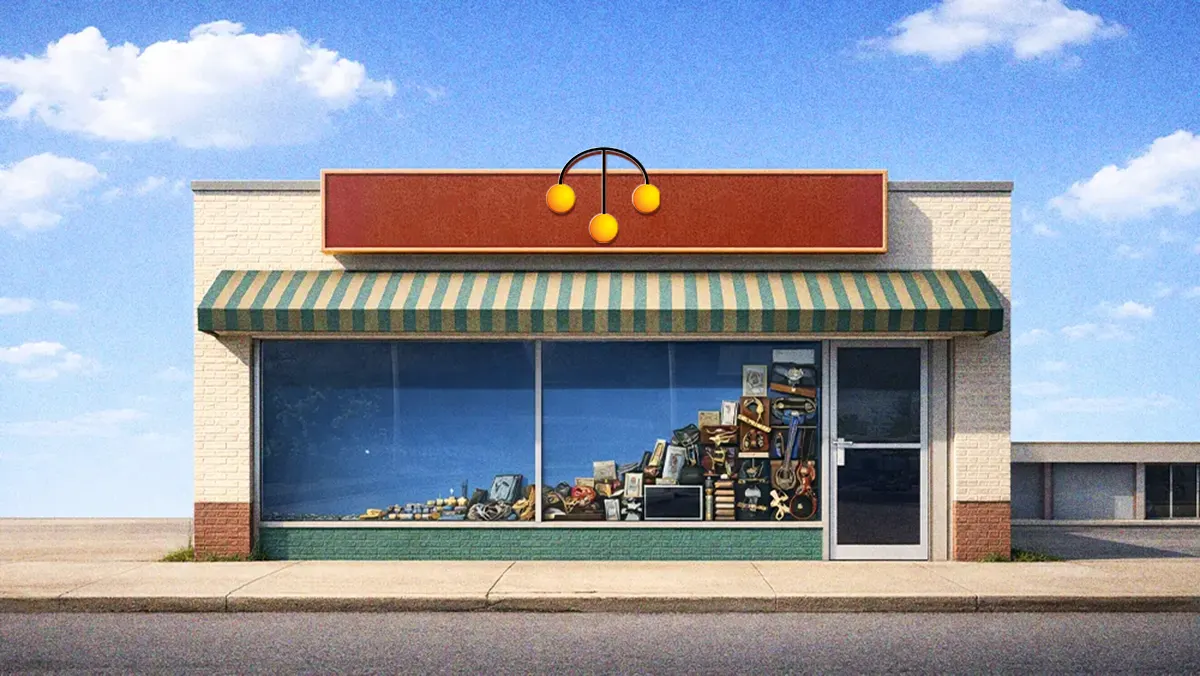
The first signal is often referred to as the pawn-shop indicator. Pawn shops are seeing increased traffic as consumer cost pressures mount. This is a sign that's easy to dismiss if you work in premium or mid-market retail, but pawn shop traffic is a highly reliable barometer of consumer financial stress, capturing the population segment that has exhausted other options.
A market divided: The implication isn't that every consumer is struggling. It's that the consumer market is bifurcating. Higher-income households are driving the NRF's growth forecast. Lower- and middle-income households are under pressure from persistent inflation, elevated interest rates, and the ongoing uncertainty of tariff policy.
No such thing as average: For CMOs, bifurcation means the idea of an "average customer" is an abstraction. You have two (or more) customer populations with different price sensitivities, different purchase frequencies, and different response patterns to marketing. If your segmentation doesn't account for this, your marketing efficiency is declining even as your topline grows.
The second signal is the return to rebates. Retailers, particularly those in categories like alcohol where sales are slumping, are shifting from instant discounts to focus more heavily on digital rebates. This is a subtle but significant change. Instant discounts reduce the price at point of sale. They're easy for the customer but expensive for the brand because everyone gets them, regardless of whether the discount influenced the purchase. Digital rebates require the customer to take an action after purchase, typically submitting a receipt through an app or website, to claim the savings.
Retailer-optimized economics: The move toward rebates shifts the economics of promotion. Rebates cost the brand less, since not everyone redeems them. They also generate valuable first-party data, telling the brand exactly who bought, when, where, and whether they're price-sensitive while creating a post-purchase engagement touchpoint.
Strategic entry point: For CMOs, the rebate pivot is a signal that the industry is moving from broad promotional spend to targeted, data-generating promotional mechanisms. The brands doing this well are using the rebate interaction as an entry point into an ongoing messaging relationship: claim your rebate, opt into SMS, and now you're in the retention funnel.
The third and final signal comes from longtime retail behemoth Macy's, which is navigating a particularly interesting position. The company's 2026 guidance is cautious, with elevated interest rates, a softening housing market, and shifting consumer confidence all weighing on the department store model. But the company is simultaneously investing in AI, testing smaller-format stores, and trying to modernize its customer engagement model.
Conflicting priorities: Macy's situation is indicative of the tension every large retailer currently faces. The consumer environment demands caution, but the technology environment demands investment. You can't wait until the economy improves to build the AI capabilities that will define competitive advantage for the next decade. But you also can't invest recklessly when your core customer is under pressure.
Together, these three signals indicate that we're in a retention marketing moment, not an acquisition marketing one. When the consumer is bifurcating, the cost of acquiring new customers rises (you need increasingly precise targeting to reach the right ones) while the value of retaining existing customers increases (your best customers are more valuable than ever because they're less price-sensitive). When promotional strategy is shifting from blanket discounts to data-generating rebates, the brands with the best post-purchase messaging infrastructure will capture the most value from every promotional dollar. When the macro environment demands cautious spending but aggressive capability-building, the highest-ROI investments are the ones that serve owned-channel messaging programs that generate revenue today while building the first-party data infrastructure that powers AI personalization tomorrow.
The topline numbers say retail is fine. The underlying signals say the CMOs who shift budget from acquisition to retention and from rented channels to owned channels will outperform in the second half of 2026. The ones who maintain business-as-usual will find that the "average customer" abstraction was hiding a bifurcation that's already eroding their marketing efficiency.