

All articles
TRUE Hockey Turns a Neighborhood Problem into a Grassroots Power Play
Derek Kent, CMO at TRUE Hockey, shows how any brand can turn a problem its audience lives with daily into a campaign that builds community trust and lives beyond the product.
Make The CMO Wire one of your go-to sources on Google

Beyond the launch, we want to help spark a movement where communities feel empowered to reclaim their streets...This is more than storytelling. It's a call for a permanent behavior shift.

A performance hockey brand built a ball that fights back against traffic apps, and it’s a case study for DTC brands looking to build organic community engagement.
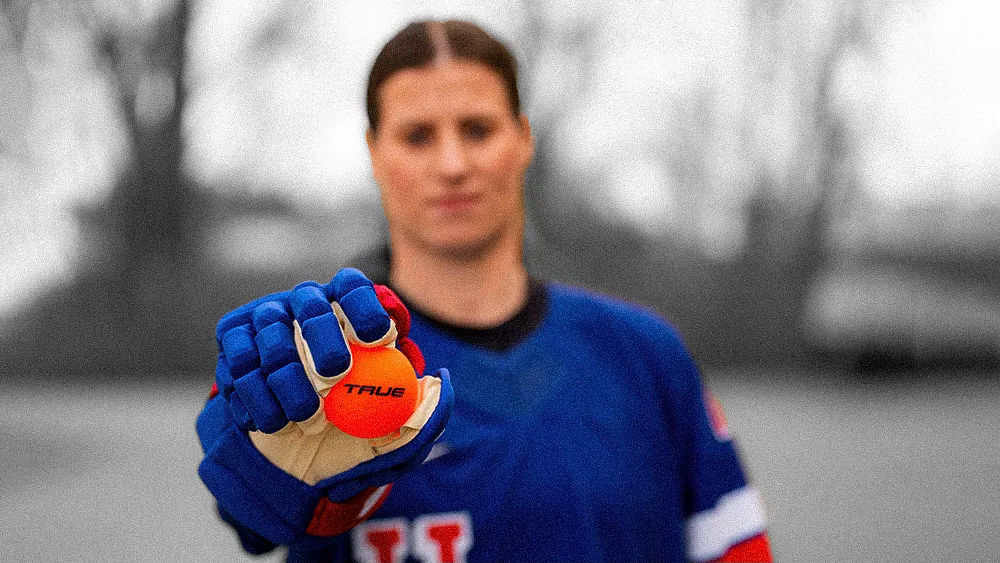
Everyone who grew up playing street hockey knows the feeling: you're mid-game when someone shouts "Car!" And just like that, the game stops. The "Game On Ball," a prototype built by TRUE Hockey, emits a signal that tricks navigation algorithms into registering a street hockey game as bumper-to-bumper traffic, rerouting drivers before they ever turn down the block. It's a direct response to a growing phenomenon known as "rat-running," where apps like Waze direct commuters through residential streets in search of faster routes. Studies suggest the trend is directly reducing the time kids spend playing outside.
So instead of waiting for the apps to change, TRUE Hockey Chief Marketing Officer Derek Kent decided to intervene. A leader with deep roots in elite performance and grassroots sport, Kent previously architected the massive #WeAreWinter Olympic campaign at the Canadian Olympic Committee and held senior marketing and communications roles at Nike and Sobeys. For the TRUE "Game On" campaign, Kent saw a unique opportunity to create a community campaign that bypasses traditional retail channels entirely and addresses a real customer problem.
"Beyond the launch, we want to help spark a movement where communities feel empowered to reclaim their streets. If we can get even a fraction of drivers to click 'No Thanks' to a residential shortcut, our kids will win. This is more than storytelling. It's a call for a permanent behavior shift," Kent says. With many top players noting that off-ice practice helps develop on-ice skills, TRUE views the driveway as a vital training ground. Kent and his team looked at how the rat-running problem affects those games and turned it into the brief for the Game On campaign. The result is a campaign that uses a familiar piece of equipment to spoof routing systems and make an invisible data problem feel tangible.
Product as protagonist: Kent explains that meaningful product innovation can become a useful piece of storytelling. "The ball is the visual heart of the campaign because it takes a complex data problem and turns it into something every hockey player understands." But the prototype is just the entry point to the full story. A dedicated website lets community members pledge to protect their streets, giving TRUE a direct relationship with its grassroots audience built around shared values rather than just a sale.
To give the campaign even more pull, Kent knew a partnership would help audiences more directly connect with the idea. So he tapped Olympic gold medalist Kelly Pannek to connect the campaign back to the hero's journey of an athlete.
Pavement to podium: "Kelly is an inspirational hockey star who is the perfect bridge between street hockey off-ice and the podium on-ice," Kent says. "When she talks about her Olympic gold medal journey starting right in front of her house, it makes our story human."
The legacy logic: By connecting it to a player's story of how they became the star they are, he says the campaign reminds fans and customers alike that cul-de-sacs aren't just where games are played, but where hockey players are made. "Her involvement reminded us that we weren't just talking about traffic safety, we were talking about a birthplace of hockey creativity and confidence. Because of Kelly, the narrative became more than a tech story. It's really a legacy story."
Marketing leaders often face a tricky balancing act of scaling a message without alienating the core audience. By anchoring the campaign in a world-class athlete's story, Kent ensures hockey audience see themselves first. Then he uses the universal frustration of rat-running to pull non-hockey parents into the same conversation.
Beyond the boards: "Street hockey is the ultimate entry point because it’s so iconic to the North American experience, but the rat-running problem is universal," Kent says. "Whether it’s a hockey ball or other sports that kids can play outside, the underlying issue is the same: the loss of the neighborhood as a safe sanctuary."
Trojan horse tactics: Kent notes that campaigns built around shared problems can open the door to audiences that are otherwise hard to reach. "We invite everyone into the conversation because the right to play doesn't belong to just one sport. The Game On Ball is a hockey ball, but it’s a symbol for every kid who’s ever had to clear the street for shortcut seekers."
For CMOs, the architecture of this campaign is worth studying closely. TRUE isn't leading with product, but instead identifying a problem its core audience lives with daily and giving them a platform to act on it. This pledge strategy transforms passive brand affinity into active participation, creating a direct community relationship that builds trust far before a purchase is ever made.
The toggle tactic: TRUE's campaign is embedded with two proposals for how to change the rat-running problem. "First, if you get directed down residential streets, please consider staying on major streets," Kent says. "Second, see if the navigation apps would consider including a Residential Avoidance toggle, just like how you can choose to avoid tolls or highways."
Those asks give the campaign something most cause-driven creative campaigns lack: a concrete action with built-in sharing potential. Whether it's clicking a pledge, opting out of a shortcut, or tagging a navigation app, each one extends the campaign's reach organically and keeps the community engaged well beyond launch. For Kent, it all traces back to the idea that technology deployed with intention can do more than sell a product. "The Game On Ball was our way of using 'good tech' to fight back," he concludes.