

All articles
The Beauty CMO's AI Stack Is the Template for Every Retailer
A study of how the beauty industry's AI-powered personalization and loyalty flywheels are setting the new global standard for CMOs.
Make The CMO Wire one of your go-to sources on Google

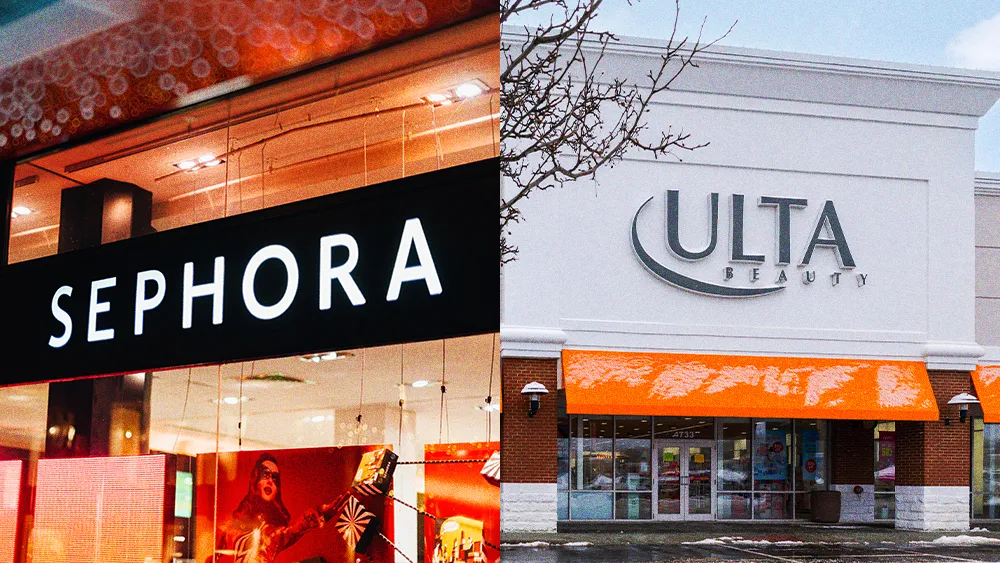
If you're a CMO outside the beauty industry, you should be studying what beauty brands are doing with AI. This is not because beauty is unique, but because beauty is first. The strategies being deployed by Ulta, Sephora, and the wave of digitally native beauty brands represent the template that every retail vertical will adopt within 18 months. Beauty has structural characteristics that make it an ideal testing ground for AI-powered marketing.
High personalization stakes: A foundation that's wrong for your skin tone isn't just a bad purchase. It's a visible mistake. The motivation to get personalization right is higher in beauty than in almost any other category, which means consumers are willing to share data (skin type, tone, concerns, preferences) in exchange for better recommendations. This creates a virtuous cycle in which more data leads to better AI, which leads to more willingness to share data.
Fragmented discovery: Beauty consumers discover products through an extraordinary number of channels: TikTok, Instagram, YouTube, AI search, in-store consultations, friend recommendations, and increasingly, AI diagnostic tools. The brands that can connect these fragmented discovery touchpoints into a unified customer profile have a massive advantage.
High repeat purchase frequency: Beauty is a replenishment category. Customers who find products they love buy them repeatedly for months or years. This makes customer lifetime value modeling especially powerful and makes retention marketing disproportionately valuable compared to one-time acquisition.
High-frequency engagement allows beauty brands to treat their digital presence as a living laboratory. While a furniture retailer might only see a customer once every five years, a beauty brand interacts with their community weekly, providing a massive volume of touchpoints to train and refine AI models in real time. By the time a consumer enters the market for a higher-stakes purchase like apparel or home goods, their expectations for personalization have already been set by the seamless, data-rich experiences they encounter in the beauty aisle. The most sophisticated beauty brands are deploying AI across the customer journey in four distinct layers.
Discovery layer: AI-powered virtual try-on (Sephora), AI skin diagnostics (Ulta, numerous DTC brands), and increasingly, optimization for AI search engines that recommend products based on aggregated review data. Beauty brands are the first to seriously invest in AI search optimization, ensuring their products and reviews are structured for AI engines, not just human browsers.
Consideration layer: Motivation-based segmentation (Ulta's shift from demographics to psychographic/behavioral segmentation), AI-generated content (product images, descriptions, social content created at scale), and community-driven evaluation (Sephorias, loyalty member reviews, and UGC).
Conversion layer: Personalized messaging across SMS, email, and push, with AI determining which channel, what product to recommend, and when to send. This is where the messaging infrastructure becomes the revenue engine. The welcome flow that asks about skin type and goals, then delivers a personalized regimen recommendation, converts at dramatically higher rates than a generic discount offer.
Retention layer: Loyalty programs with AI-powered personalization (Ulta's 46-million member program), integrated review solicitation (post-purchase flows that ask specific questions about the product experience), replenishment reminders timed to individual usage patterns, and cross-sell recommendations based on complementary product analysis.
While the products differ, the underlying behavioral triggers that drive a Sephora superfan are universal across the consumer landscape. CMOs in sectors ranging from fast-casual dining to luxury travel can bypass the expensive trial and error phase of AI implementation by adapting the high-performance tactics already proven by beauty leaders. By viewing these strategies through a functional lens rather than a category-specific one, non-beauty brands can capture a significant competitive advantage before these methods become the baseline standard for all of retail.
Data exchange model: Beauty has normalized the idea that customers will share personal data in exchange for genuinely better recommendations. Every vertical has an equivalent. Apparel has fit, style preferences, and occasion. Food has dietary restrictions, taste preferences, and household size. Wellness can make recommendations based on goals, activity level, and health concerns. The key is making the data exchange feel valuable, not extractive.
Motivation-based segmentation: Ulta's shift from "women 25–34" to "confidence seekers" or "routine builders" is applicable to every category. Your customers don't think of themselves as demographic segments. They think of themselves as people with specific needs and motivations. Segment accordingly.
Unified messaging-to-loyalty pipeline: The integration between SMS sign-up, loyalty enrollment, personalized messaging, and review solicitation creates a flywheel where each interaction generates data that improves the next interaction. It's the single most valuable architectural pattern in modern retail marketing. Beauty brands got there first because the economics demanded it. Every retailer should build this pipeline.
Community investment: Sephorias isn't a marketing expense. It's a community investment that generates first-party data, UGC, brand advocacy, and deep emotional loyalty. Your version might be a VIP event, a subscriber-only experience, or a digital community. The principle is the same: invest in belonging, and the marketing ROI follows.
The window between "beauty brands are doing this" and "every retailer needs to be doing this" is 18 months. We've seen this pattern before. Beauty led with loyalty programs, beauty led with mobile commerce, and beauty led with influencer marketing. In each case, the strategies that seemed category-specific turned out to be universal. AI-powered personalization, motivation-based segmentation, unified messaging-to-loyalty pipelines, and community-driven retention aren't beauty strategies. They're modern marketing strategies that beauty tested first. If you're a CMO in apparel, F&B, wellness, home goods, or any consumer-facing vertical, study the beauty playbook. Then build your own version.