
All articles
From Viral Spike to Sale, Conversion Still Depends on Site Clarity
Chandni Lakdawala, Digital Merchandising Manager at SharkNinja, is translating viral demand into real-time site execution.
Make The CMO Wire one of your go-to sources on Google

The questions we always ask internally are: what is the problem that we’re trying to solve? Why is our product different? Why would the customer want this product? In the end, those answers help us go viral.

TikTok moves fast, and demand can follow just as quickly. When a product goes viral, the pressure shifts to the website to keep up, translating attention into clarity before momentum fades or inventory runs dry. As more retailers experiment with TikTok Shop to capture that demand, the challenge goes beyond visibility. It's all about keeping the digital storefront aligned with the surge, so customers understand what the product does, why it matters, and what to do next.
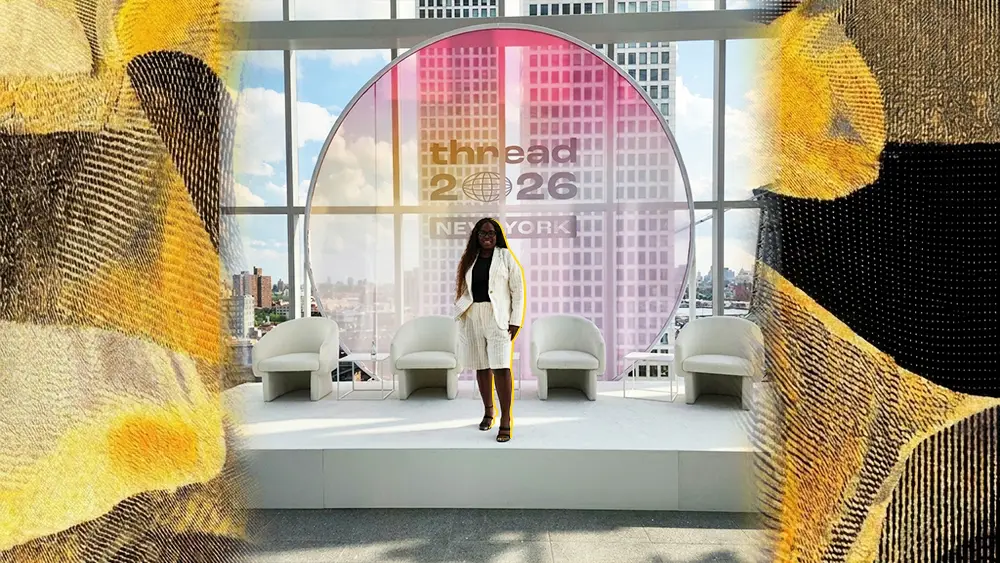
Chandni Lakdawala, Digital Merchandising Manager at SharkNinja, orchestrates the U.S. direct-to-consumer site experience. Her responsibilities include managing the homepage calendar, launch placements, and promotions strategy, shaping how customers move from landing page to checkout in real time. Her approach is grounded in experience across categories. Chandni previously held roles as a Global Senior Site Merchandiser at New Balance and an Ecommerce Coordinator at Kurgo, working across everything from pet accessories to footwear. Across that range, she points to a consistent principle: product clarity drives trust.
"The questions we always ask internally are: what is the problem that we’re trying to solve? Why is our product different? Why would the customer want this product? In the end, those answers help us go viral," Chandni explains. That mindset carries directly into how her team operates under pressure. When demand spikes, the focus shifts to rapid site prioritization, flexible merchandising, and quick adjustments to inventory constraints. Out-of-stocks are addressed in real time, with clear alternatives surfaced to keep customers moving. The goal is to translate sudden attention into a guided shopping experience, even as conditions change.
From spike to sale
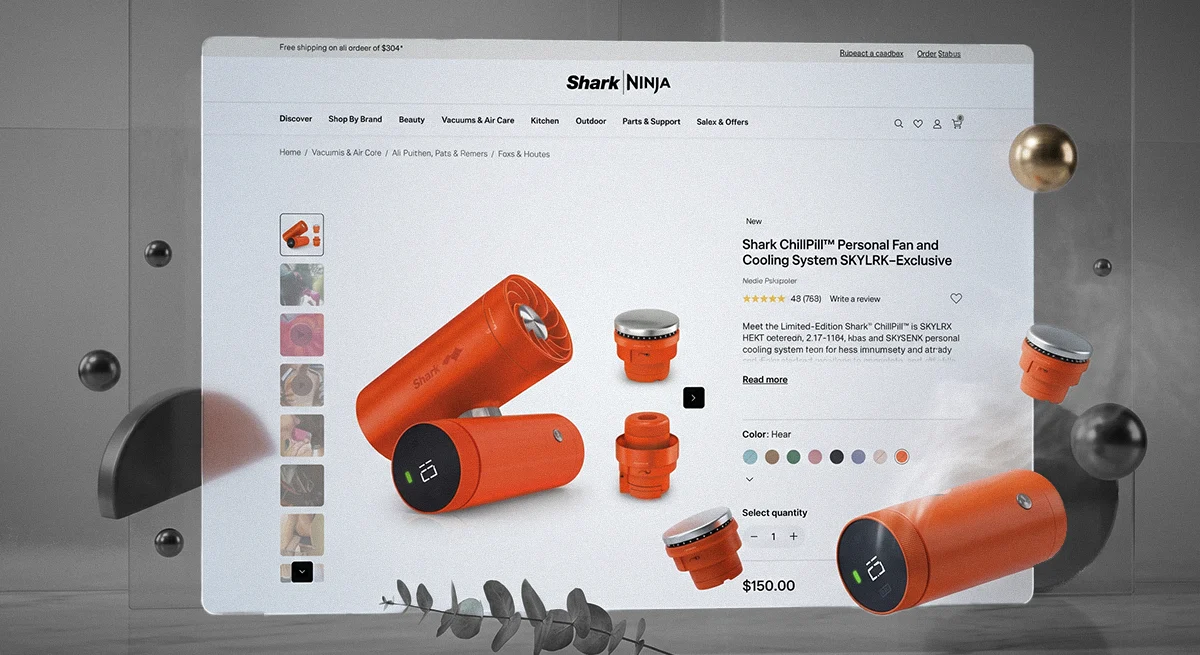
When SharkNinja tied a portable fan to Justin Bieber’s Coachella "Chillpill" moment, the spike in traffic followed quickly. The sell-out created a new challenge: how to keep customers engaged once the featured product was no longer available. "We have to be on top of making sure the right product is in front of the consumer when something is out of stock," Chandni explains. Her team responds by quickly repositioning the experience, surfacing comparable or upgraded alternatives to capture demand that would otherwise drop off.
Managing this level of traffic requires a practical filter to keep the digital experience focused. Chandni applies a simple gut-check, making sure product innovation enhances what customers see rather than crowding the page. "When it comes to virality, the innovation of the product should complement it, not compete with it," she says. "We don't want to overcomplicate the digital experience in ways that may feel exciting internally, but might not make sense to customers on TikTok or even on our website."
Executing that approach consistently requires more than good judgment. It depends on the ability to act quickly as conditions change, from inventory shifts to spikes in demand. "What benefits SharkNinja is the fact that we're a very fast-paced company," Chandni notes. "We function just like a startup. Knowing how to manage speed and adapt to things that are changing very quickly really works in our favor."
Brew it like Beckham
A steady pipeline of celebrity collaborations gives Chandni’s team early visibility into what’s coming, allowing them to prepare the site before demand spikes. Those partnerships span a wide range of cultural figures, from Tom Brady and David Beckham to Kevin Hart and Alix Earle, helping the brand connect with different audiences. Chandni points to a recent moment with celebrity stylist Chris Appleton, who used a custom FlexStyle on his high-profile clients at the Met Gala, turning a planned collaboration into a high-visibility opportunity. "At the event, SharkNinja had a platform to speak about the collab, and, of course, everyone had it all over their Instagram stories."
Not every partnership is designed the same way. The strongest examples tie directly back to the product itself, giving the collaboration a clear role beyond visibility. Chandni points to a recent espresso machine project with David Beckham as a case where that alignment came through. "In the past, David Beckham has promoted our espresso machines, but this one specifically, he actually designed it with our product team," she notes.
The adaptability advantage
For Chandni, the broader lesson is about staying responsive as the environment continues to evolve. Consumer behavior, social trends, and retail channels are all moving at once, reshaping how products are discovered and evaluated. Working within an increasingly interconnected ecosystem of ecommerce, marketplaces, and physical retail, she now considers how the brand shows up across channels, not just on its own site. "The approach has definitely evolved over the years and the consumer has changed. The way we shop has changed," she explains. "We're also in a place where more and more retail stores are opening up. Processing all that information allows us to adapt rapidly while still maintaining that brand experience and that intent of consistency in discoverability."
Looking back across her own roles, Chandni notes that a common thread among thriving marketers is a willingness to keep adapting alongside their customers. "A lot of brands and marketers run into issues when they're stuck in their ways," Chandni concludes. "Adaptability is key, especially today when trends come and go and customer behavior continues to change. We just need to continue to adapt so we can keep moving forward with how the world is moving forward."