
All articles
Nordstrom Is Prioritizing Emotional Consistency In An Era of Endless Customer Choice
Olivia Kim, Senior Vice President of Brand and Creative at Nordstrom, is using the retailer’s 125th anniversary to position emotional familiarity as a long-term retail advantage.
Make The CMO Wire one of your go-to sources on Google

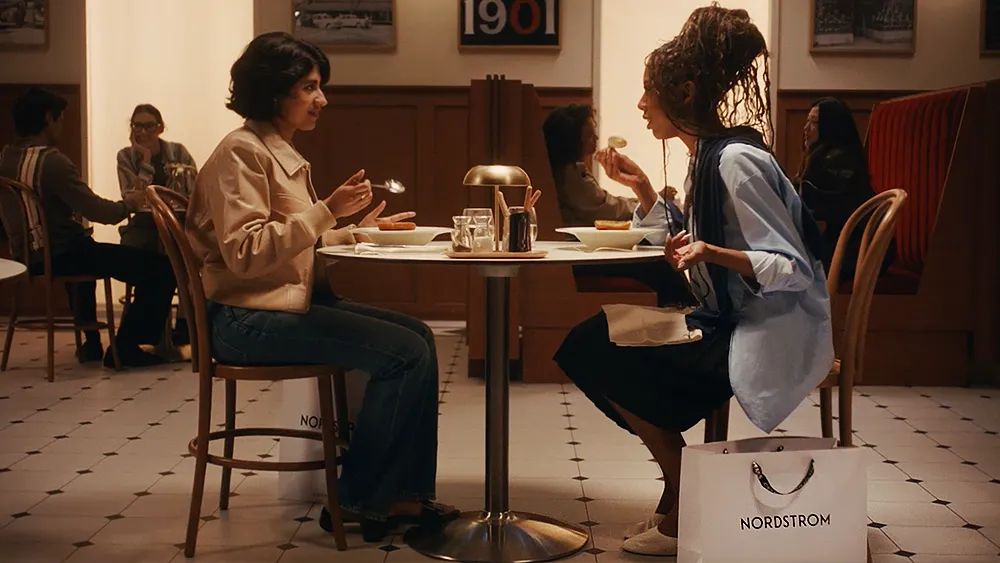
The customer gets to define what experiences matter to them. Sometimes those experiences are just going with a friend to get a bowl of tomato soup at our café, and sometimes those experiences are really big deals.

In an era where retail marketing is increasingly dominated by performance metrics, fragmented channels, and algorithmic optimization, Nordstrom is using its 125th anniversary to make a different argument: emotional connection still compounds. Rather than leaning on a predictable nostalgia campaign filled with timelines and corporate milestones, the retailer built its Based on a True Story campaign around decades of real customer and employee letters. The strategy reframes everyday human experiences as a long-term brand asset, positioning emotional familiarity as something far more durable than short-term conversion tactics alone.
Olivia Kim, Senior Vice President of Brand and Creative at Nordstrom, led the anniversary strategy away from the predictable heritage-brand playbook. Before joining Nordstrom, Kim spent nearly a decade helping shape the creative identity of Opening Ceremony, the fashion retailer known for blending commerce, culture, and experimentation. Today, her background continues to influence how she approaches storytelling, brand relevance, and creative leadership inside a legacy retail company.
"Experience is really subjective. The customer gets to define what experiences matter to them. Sometimes those experiences are just going with a friend to get a bowl of tomato soup at our café, and sometimes those experiences are really big deals," says Kim. Rather than relying on rigid corporate playbooks or tightly scripted brand governance, the company operates with a high degree of trust. The same mindset also shaped the anniversary campaign itself, which was designed less as a corporate celebration and more as an expression of gratitude toward the people who built emotional connections with the brand over time. "We don't have a brand manual. We don't have guidelines. It really is about being treated and behaving in a way that you'd like to be treated. We have a saying: the only rule is to use good judgment."
The "everydayness" edge
Kim deliberately resisted turning Nordstrom's anniversary campaign into a polished collection of overly sentimental retail victories. Instead, she wanted the work to reflect the smaller, imperfect, and often ordinary moments people actually remember about stores over time. The goal was less about defining what a meaningful shopping experience should look like and more about creating space for different kinds of emotional connections to happen naturally. Her perspective shifts the focus away from transactions and toward the social role physical retail can still play in people’s lives. "It wasn't about trying to find these trope-y stories about how we've always saved the day, because we don't always save the day, and we don't always get it right," she notes. "It really was about these meaningful stories that sometimes weren't about anything big."
A stronger emphasis on "everydayness" also reflects a larger retail reality: customers now need a better reason to leave home at all. Kim says Nordstrom views the store less as a transactional endpoint and more as a place people might choose to spend time, whether they are shopping intentionally or simply looking for inspiration, connection, or a break in the middle of the day. The anniversary campaign mirrors that broader strategy, extending across connected TV, social media, cinemas, and in-store experiences designed to place the brand inside existing cultural conversations rather than interrupt them. "The customer has made a deliberate choice to get off their couch, get in the car, deal with traffic, deal with parking, and they're here," Kim explains. "How can we make this something that feels more dimensional than just, 'Here's my return,' or 'Here's something I need to buy'?"
Nordstrom applied the same thinking to authenticity throughout the Based on a True Story film, which debuted in cinemas alongside The Devil Wears Prada 2 and drew directly from decades of real customer and employee letters rather than scripted brand mythology. Kim says grounding the work in lived experiences helped the campaign avoid feeling overly manufactured, especially as actors on set unexpectedly began sharing their own personal connections to the retailer, from childhood trips to the café to outfits purchased at Nordstrom before major life moments. "It's these natural connections that come through which are so authentic to us. You can't buy that story. You can't make that kind of emotion up where somebody is sharing their lived experience with this brand."
Keeping retail human
For Nordstrom, the anniversary campaign ultimately serves as a statement about what physical retail needs to become in order to stay relevant. Kim still tracks engagement and performance metrics, but she says the campaign’s primary objective was emotional reinforcement rather than short-term conversion efficiency. In a retail environment shaped by fragmented attention and endless consumer choice, Nordstrom is positioning stores less as transactional spaces and more as places tied to hospitality, inspiration, and emotional familiarity. "We set out for this campaign to reaffirm why our existing customers love us and have chosen to continue to support and help us build our story," Kim explains.
Looking ahead, the 125th anniversary opens the door to additional collaborations, products, and in-store experiences, but Kim does not view the milestone as a reinvention point for the retailer. Instead, Nordstrom’s strategy centers on preserving the human-centered experience and emotional consistency that differentiated the company in the first place, even as shopping behavior continues shifting across channels and platforms. "Customers have lots of places where they can shop how they want to shop," Kim concludes. "What feels different from a value proposition perspective about what we do is, I hope, that they feel that emotional connection and a human-led experience."