
All articles
How OREO Is Building Modern Brand Infrastructure Around Fan Communities And Co-Creation
Matt Foley, Vice President of OREO at Mondelēz International, is using fandom participation and co-created storytelling to turn product launches into longer-term community experiences.
Make The CMO Wire one of your go-to sources on Google

We stay very close to our consumers and to our fans. When we layer on partnerships that hit passion points for that community, that's where the fun really happens and it gets really special for the brand.

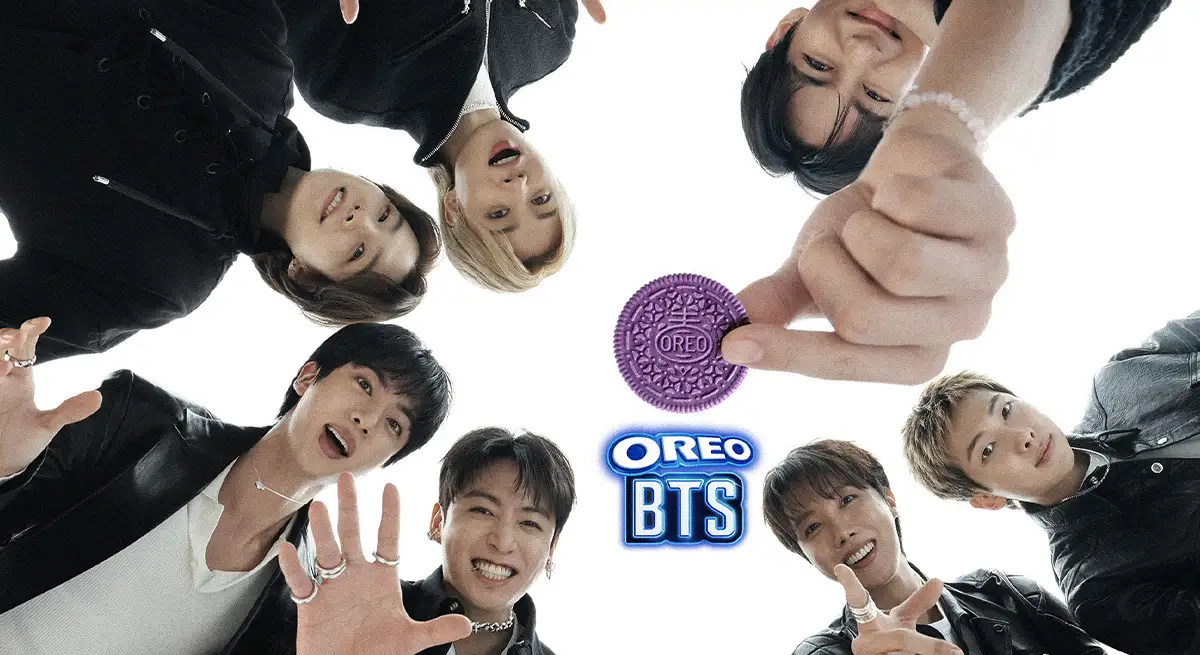
The traditional CPG marketing playbook centered on consistency, scale, and broad-reach advertising. Legacy brands now are supplementing that formula with strategies borrowed from entertainment companies, fandom ecosystems, and drop culture. Instead of treating consumers like passive audiences, marketers are building campaigns designed around participation, community behavior, and cultural timing. OREO’s collaboration with K-Pop sensation BTS offers a practical case study in how that shift operates in practice. Rather than using fandom purely as an amplification layer, Oreo structured the partnership around co-creation, fan interaction, and social engagement designed to make both the artist and the audience active participants in the consumer experience itself.
Matt Foley, Vice President of OREO at Mondelēz International, oversees the domestic business for one of the world’s most recognizable snack brands. Before leading Oreo, Foley spent a decade at Pernod Ricard, helping transform spirits brands like Jameson and Malibu into culturally resonant lifestyle brands through community-focused marketing and social engagement. His background now shapes how Oreo approaches collaborations, with fan participation and co-created storytelling functioning as embedded parts of the brand strategy rather than add-on campaign tactics.
"We stay very close to our consumers and to our fans. When we layer on partnerships that hit passion points for that community, that's where the fun really happens and it gets really special for the brand," says Foley. For brands trying to build trust and loyalty through fandom collaborations, audiences quickly recognize when the partnership feels manufactured or disconnected from the artists involved. Foley says the collaboration only works when the creative choices, product decisions, and fan experience genuinely reflect something meaningful to the partner rather than treating the fandom as a shortcut to attention.
Designing for fan-forward participation
For OREO’s partnership with global superstar group BTS, the process began with a concrete connection between the artists and the snack, which then drove the actual flavor and design decisions. Foley said the band actively pushed to bring the hotteok flavor, brown sugar pancake crème, to the U.S. "Upon initial outreach, we learned that BTS themselves grew up eating OREOs," he says. "They helped us choose the flavor, tasted different options of cookies, helped design the packaging, and got involved in choosing the embossments that we put on the cookies. This is something that truly came from BTS talking about a flavor that mattered to them, a flavor that was part of their childhood and is still very relevant in Korea."
Building on the OREO’s long history of unexpected partnerships and collectible SKUs, the team designed the product itself to naturally generate conversation across social platforms and fan communities. BTS influenced everything from the flavor profile to the custom embossments, creating small details fans would immediately want to photograph, discuss, and share online as part of the overall experience. Foley says the strategy depends on participation becoming part of the rollout itself, particularly in an environment where product discovery increasingly spreads through fan-generated content and community interaction. "We rely on the fan base getting involved and not being passive scrollers, but actually taking an active part in campaigns like this," he notes. "We know fans are going to want to post when they first open a pack of the BTS OREO cookies at home."
That community-driven distribution leans heavily on the digital footprint OREO has already built. The brand now operates as a hub for community behaviors, tapping into a highly engaged fan base to coordinate the BTS ARMY on a massive global scale. A clear example is the campaign’s "Love Letter" initiative, which scales an existing fan ritual across over 80 markets before pointing that attention toward the checkout cart. "One of the biggest shifts that we've seen is brands participating much more from a social perspective and relying much heavier on that as part of their marketing mix," says Foley. "An advantage we have with OREO is that we already have a large, highly involved fan base that's putting content out there. So we're actively participating more and more with our own fan base and putting more resources into that to keep the conversations and the participation happening through social channels."
Cultural relevance, baked-in
For Foley, the BTS collaboration reflects how legacy consumer brands are putting far more emphasis on direct fan interaction and participation as part of their long-term marketing strategy. OREO still continues its core portfolio innovation work, but partnerships like BTS layer entertainment-style rollout mechanics directly onto the product launch itself, including a June 1 online pre-sale ahead of the national retail debut on June 8. Foley says giving collaborators meaningful influence over the product naturally creates the kind of behind-the-scenes content, conversation, and fan engagement brands now actively try to sustain long after launch day. "When you’re a partner and you get to create your own cookie, your own flavor and have your personal stamp on it, that just generates a lot of natural moments of conversation and playfulness," says Foley.
By the time the campaign reaches grocery shelves nationwide, Foley sees the BTS collaboration as an example of how iconic brands are rethinking their role inside consumer culture. Social engagement, fan participation, and user-generated content now operate as ongoing parts of the brand infrastructure rather than temporary amplification tools surrounding a campaign. Foley says there is still one practical rule anchoring all of the marketing experimentation: the actual product experience has to justify the excitement surrounding it. For all the digital momentum and entertainment-style rollout mechanics, the campaign still ends with someone opening a package of cookies at home. "Whether you’re a BTS fan or not, this is a cookie that people need to try," he concludes.