
All articles
The Next Phase of Creator Marketing Depends On Unifying Brand And Growth Strategy
Michael Ruffolo, Head of Creator & Influencer Partnerships at Shopify, is helping brands rethink creator marketing around long-term trust, relationships, and audience alignment.
Make The CMO Wire one of your go-to sources on Google

If you think about the role of a creator, they are scriptwriter, producer, camera person, editor, on-screen talent, distribution, and community management. They are all of these things all in one.

Creator marketing didn't start as a brand-building discipline. Early creator partnerships were largely transactional, shaped by direct-response tactics from podcasters selling ad reads and mobile gaming companies chasing low-cost app installs. For years, the model rewarded short-term efficiency: clicks, downloads, conversions, and promo code redemptions. As the creator economy matures into a mainstream marketing channel, the role creators play inside organizations has expanded far beyond performance acquisition. Today, creators appear alongside legacy brands in Super Bowl campaigns and long-term brand platforms, yet many companies still measure success using the fragmented attribution logic of an earlier era. The challenge facing CMOs now centers on integrating creator marketing into both growth and brand-building strategies simultaneously.
Michael Ruffolo’s career reflects the growing convergence between creator culture and corporate marketing strategy. After cold-emailing Shopify’s president with a pitch around creator commerce more than five years ago, Ruffolo eventually joined the company as Head of Creator & Influencer Partnerships, where he now works with creators like MrBeast and Ryan Trahan. Alongside that role, he continues to run a talent management and entertainment consultancy he founded more than a decade ago. That dual perspective across both enterprise marketing and creator representation has led Ruffolo to a broader conclusion: many of the operational problems brands face in influencer marketing are organizational before they are technological.
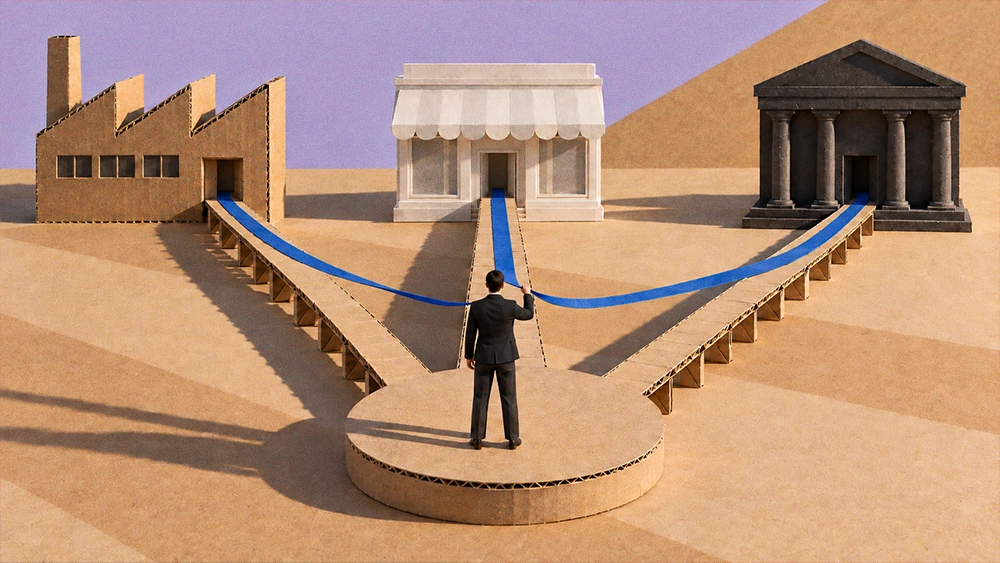
"Teams are ruthlessly chasing down the KPI that they need to execute on, and that usually leaves a lot on the table that’s left unused but is still really valuable. If you think about the role of a creator, they are scriptwriter, producer, camera person, editor, on-screen talent, distribution, and community management. They are all of these things all in one," says Ruffolo. Such internal friction often appears as competing campaign objectives. Many growth teams prioritize measurable, direct-response signals. Brand teams, on the other hand, often focus on storytelling and whether their positioning is being reinforced in the market. Ruffolo notes that marketers make far more progress when those groups stop fighting over specific metrics and align around a shared commercial goal. "Whether you're on the brand or growth side, your bottom line is to drive consistent, returning revenue to the business. Having that view allows people to come to the table and make trade-offs that might not make perfect sense for them in their specific KPIs, but work towards the broader overall company objective."
The challenge of managing influence
Many creator marketing programs still carry the operational habits of the channel’s early direct-response era, when success was measured primarily through referral links, promo codes, and inexpensive customer acquisition. As creator budgets expanded, platforms introduced more sophisticated partnership infrastructure, including tools like YouTube’s relaunched BrandConnect suite and Instagram’s collaboration features. Even with those advances, Ruffolo says many organizations continue managing creator relationships through narrow performance frameworks that no longer reflect the broader role creators now play inside campaigns. In practice, those structures can weaken the value brands are trying to buy in the first place. Pressuring creators too aggressively on pricing or tightly optimizing every deliverable often erodes the authenticity and goodwill that drive audience trust over time.
Ruffolo believes brands willing to take a more relational approach often unlock stronger long-term results. In his view, the upside extends beyond contracted deliverables into the broader advocacy and repeated exposure that emerge when creators genuinely support a brand. "If you come at it transactionally, creators will respond transactionally, and the result is you only get what you put into it," he explains. "In a world of more and more algorithmic-based feeds, what you need is more shots on net. You need to give creators more opportunities to thread the needle between your message and their content. If you only approach it based on whether the very first one works, you're likely not to find much success with anyone."
Creative control creates a similar challenge. Ruffolo says brand teams can unintentionally weaken performance when they over-manage execution instead of relying on the creator’s understanding of their own audience. His preferred structure is establishing clear non-negotiables around messaging and compliance, then giving creators room to interpret the brief in a way that feels natural to their content style. "I can't tell you the number of times I've shipped a piece of work with a creator that I didn't think was that compelling, but the audience responded tremendously to it," he says. "A lot of that had to do with me taking myself out of that position and realizing that while I might not be the audience for this, the creator and the audience watching it love this person for the way they deliver it. We should really lean in more."
Trust, taste, and attention
A willingness to prioritize audience connection over internal assumptions may become even more important as AI-generated content enters the creator ecosystem. Ruffolo views AI influencers and synthetic personalities as a natural extension of trends already reshaping digital media, particularly as the quality of AI-generated and AI-translated content continues improving rapidly. He says he has already encountered AI-driven content online that audiences engaged with naturally, often without questioning whether a human was behind it. In his view, audience response will become a more meaningful measure of authenticity than production method alone, provided disclosure standards continue evolving alongside the technology.
Marketers are already familiar with many parts of this evolution. Brands have spent years working with user-generated content from both genuine fans and creators producing UGC-style assets professionally. Ruffolo believes AI personas may represent the next stage of those behaviors rather than a completely unfamiliar category. To explain the dynamic, he points to VTubers, the livestream creators who appear on screen through animated digital avatars. Younger audiences already forming parasocial relationships with digital identities may view AI-generated creators as a relatively natural extension of online culture. "The parallel that I like to draw is to VTubers. It's a niche of live streaming where people put a digital mask over themselves while they stream. Sometimes they're anime characters, sometimes they're furries. If people can connect with that, I'm not sure why an AI influencer would be that different."
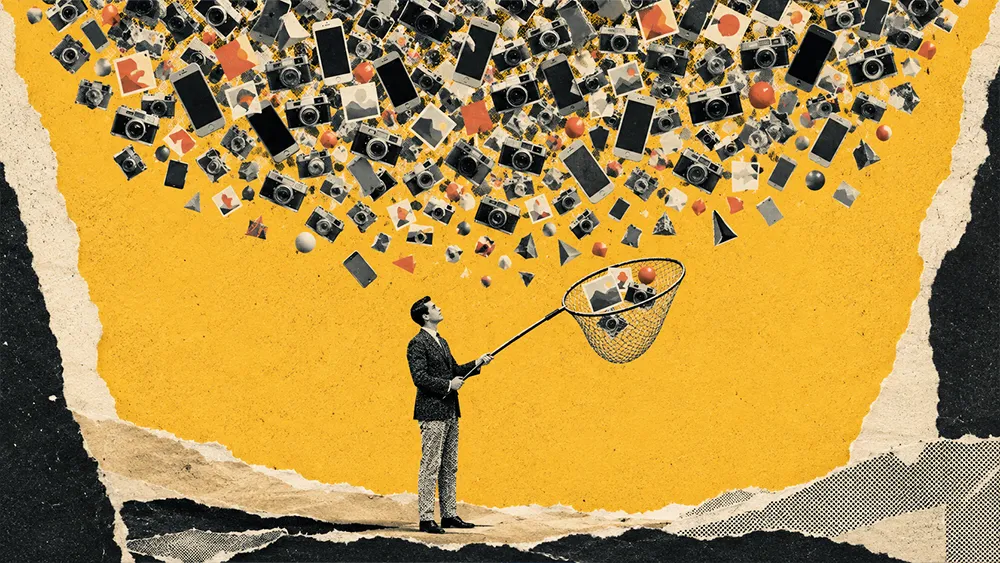
Looking further ahead, Ruffolo expects AI to dramatically increase content volume while pushing production costs lower across the industry. As media becomes cheaper and more abundant, attention may concentrate around creators and curators who consistently filter quality and build trusted audience relationships. "In a world of infinite information and entertainment, curation is king," he concludes. "I think we're going to see a new type of creator emerge that has not gotten a lot of love lately: the type of creator who has impeccable taste and pulls only the best things together for you to consume. I think that level of trust is going to convert dramatically when it comes to creator and influencer marketing."