

All articles
Lifecycle Teams Hold The Customer Data That Can Make Paid Media Spend Smarter
Emily Clarkson of Tinuiti explains how breaking the wall between lifecycle and acquisition turns idle first-party data into lower costs and stronger retention.

Make The CMO Wire one of your go-to sources on Google

The future is embracing owned channels because we are the strategic masterminds behind the audience strategy.
Most consumer brands collect plenty of first-party data and use almost none of it. Inside most companies, the team holding the richest customer intelligence and the team spending the acquisition budget work on opposite sides of a wall.
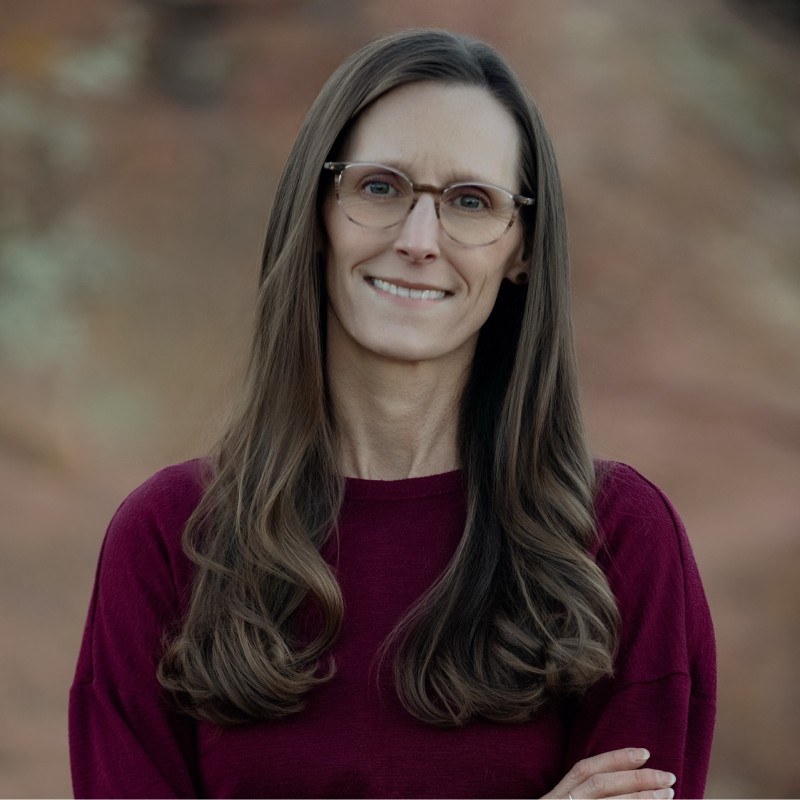
Emily Clarkson is Head of Lifecycle Marketing at Tinuiti, the largest independent performance marketing agency in the US. She leads lifecycle programs for high-growth startups and global enterprises, and earlier in her career helped scale Email Aptitude from four employees to more than 90. Email and SMS put her on the owned side of that wall, and her case is that the owned side should be helping steer acquisition.
"The future is embracing owned channels because we are the strategic masterminds behind the audience strategy," Clarkson says. Lifecycle marketers spend their days building the segments and journeys that reveal which customers stay and which ones drift away, yet they rarely have a hand in the acquisition spending that decides who enters those journeys in the first place.
When metrics collide
The two teams are measured on different outcomes. Paid marketers report on impressions and reach, and those numbers land within days. Retention and lifetime value take months to move, so lifecycle marketers wait far longer to show what their work is worth.
Those measures can pull in opposite directions. A campaign built to maximize reach can hit its number and still leave the business no better off. "Impressions don't matter if you're just putting junk into our system that we can't retain," Clarkson says. A poor-fit customer gets paid for twice, once to bring them in and again to replace them after they leave, a cost the impression count never captures.
Chase who converts
A brand names its target audience before the first sale. The buyers who show up rarely match that list, and owned channels are where the difference surfaces first. "Once we start to gather that data in our owned channels, we can say these are our top customers, these are our loyal customers, these are our seasonal purchasers," Clarkson says.
Turning those signals into usable cohorts takes sustained work, and plenty of brands never get there. They sit on years of purchase and engagement history without a repeatable way to group it, so the data stays raw. That sorting is lifecycle work, where email and messaging produce a daily record of who engages and who goes quiet.
Ranking customers by value tells a team where to focus its attention. "What we can do is augment and influence our paid channels so that they are targeting who we know we can retain," Clarkson says. Sharper targeting on the front end lowers what a brand pays to acquire. It also gives the owned side a say in spending the paid team has always controlled on its own.
Goal tending
Clarkson works in the opposite order from most teams. "What is the goal of the quarter? If it's retention and LTV, you use certain data pieces. It's marrying the data to the goal," Clarkson says.
For example, a brand wants to grow a new line of apparel without pulling sales away from its established products. Clarkson's team uses browse data to find shoppers already circling the new line, then routes them into a dedicated cross-sell sequence that runs alongside the everyday program. The goal sets the terms, and only the data serving it comes into play.
The same cohorts that decide who to pursue also decide who to leave alone. A shopper who has bought baby formula on subscription for two years has no reason to receive a first-order discount, and sending it anyway signals a brand that is not reading its own records. "There's nothing more frustrating than getting a message and thinking, you have all of this information about me, and you're not using it," Clarkson says.
Autopilot needs a captain
Prediction is where Clarkson sees AI paying off now. Timing has always been the hard part of lifecycle work, and the models inside email and messaging platforms are what sharpen it. "Based on all the data in the system, we can predict a customer's next action. Then we can use those AI segments in paid channels to reach someone close to purchasing," Clarkson says.
AI follows the strategy it's given, optimizing toward the target in front of it long after that target stops being the right one. Changing the target is a human call. The economy shifts one quarter, a brand's shipping or pricing the next, and someone has to notice when the plan needs to change.
Clarkson keeps a human on the journey, reviewing it on a schedule to confirm the automation is still solving the right problem. "We still have to step back and look at the customer journey again and again."
Cross the canal
The harder discipline is sequencing the channels so they hand off to each other. Email carries the detail, SMS the urgency, each firing when it fits the sequence. Run well, the customer moves through a single experience even though three teams stand behind it.
That sequencing only holds if the teams behind it plan from the same place. What owned learns about a customer shapes who paid goes after, and the buyers paid brings in flow back into the journeys owned builds. "I push to get everybody in the room together, because it all feeds off of one another," she says says.
For Clarkson, this is unfinished work for marketing organizations, a shift that is as much cultural as technical. "We've built this canal between owned and paid, and I get that they operate differently. But we have to bring them back together around the customer journey, which lives on both sides."